


INTRODUCTION
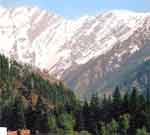
LOCATION
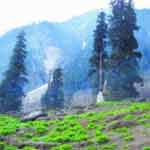
It is flanked by Rupi Bhaba Sanctuary in the southeast, Pin Valley National Park in the east, and Kanwar Wildlife Sanctuary in the North.
It is oriented towards latitudes 31�38 - 31�55 North and 77�20' - 77�46 in the East.
TIME TO VISIT
The ideal time to visit this park in summer is between April to June and during the autumn season it is between from September to November.
ATTRACTION
FLORA
FAUNA
AVIFAUNA
OTHER ATTRACTIONSAI RAPO TOURIST CENTREThis is located at a distance of about 5kms from Banjar spreading over an area of 3 hectares, where it provides facilities such as a forest rest house, two dormitories, a photo exhibition, a conference room etc.THE LARJI INFORMATION CENTREThe Larji Information Centre is more for educative purpose where it provides important information related to the park. A conference room has also been provided that is equipped with projection facilities to help educate rural people and school children about nature and wildlife.ACCOMMODATIONEAT OUTSNot many facilities are there to stay inside the park region. Even though there is good number of rest houses in the vicinity and on the outskirts of the park. Expect only simple services to be provided and it is always welcome if somebody has brought snacks with himself.GETTING THEREBY AIRNearest airport to Great Himalayan National Park is Bhuntar near Kullu at a distance of around 60 km. There are regular flights to Delhi operated by Indian Airlines. BY RAIL Joginder Nagar near Mandi is the nearest railhead for Great Himalayan National Park. There are regular trains from Joginder Nagar Railway Station to other parts of the country. BY ROAD There are no direct roads that can make the access to the park easy. Two gravel roads from Ropa to Shangarh in Sainj Valley and from Gushaini to Ropa in Tirthan Valley that makes life easier for the visitors by taking them closer to the park. |
Travel Guide
Travel Information
| |||||||||||||||||||||||||||||||||||||||


SHOPPING
The main shopping items which is of tourists attraction in Gandhinagar includes Wall hangings, Embroidered footwear, Patola Silk sarees, Bandhnis,traditional Gagra-Cholis, Lacquer furniture, Marriage costumes, Embroidered, appliquéd quilts, Cradle clothes, Curios and Cloth toys.People coming here never leave the city without buying Khadi clothes.
HOW TO REACH
By Rail
Most of the training passing the western part of the country runs througgh Gandhinagar. Gandhinagar is well connected to the metropolitans of the western India. Most of the train going to Mumbai passes through Gandhinagar.By Flight
Gandhinagar is not provided with an airport but however it can be reached from the nearest airport in Ahmadabad.Domestic Airlines like the Jet Airways, Air Sahara, Indian Airlines and Spice Jet operates regular flights to Ahmadabad from other parts of the country.
By Road
Gandhinagar is very well connected by road from the rest of the state. There are regular government and private bus services that connects Gandhinagar to the neighboring cities.